

How We Pivot
Cross-Cultural Leadership for the Long Game

I’ve led quite a few short-term mission teams over the years. We pray. We prepare. We cover logistics, safety, and heart posture in a few team meetings. And we partner with trusted local leaders who are already doing the slow, faithful work of discipleship in their communities.
And yes—we always develop a plan. But I remind our teams: “We’ll go in with a plan—just hold it loosely.”

Purpose over plans:
We’re not crossing oceans to show people a better strategy for doing church. We go to serve. To encourage. To learn. Not to impress—but to bless.
And sometimes, being a blessing means sticking to the plan. But more often than not? It means scrapping it entirely and asking, “How can our team serve you today?”
Sometimes it looks like throwing together a kids’ program on the fly because details got lost in translation—or across two time zones. Sometimes the police say no. Or the rain does. Or our local leader changes the plan, and that’s all the reason we need.
Once, our team set out for what was supposed to be a two-hour trip to a village to do outreach. It ended up taking six hours to get there—plus a two-hour roadside pit stop to honor our local host with hot tea and rice in 110-degree heat—and another six to get back. No one planned for it, but it was one of the most memorable, challenging, yet joy-filled days of the trip. We weren’t just learning cultural flexibility—we were living it.
That’s why the way we pivot matters.
We don’t pivot with frustration—we pivot with honor.
We arrive with a posture of humility.
We honor the leaders who invited us.
And we start learning the culture before we land.
We ask: Is this an honor/shame culture? Is it direct or indirect in communication? What’s considered respectful here—and what might unintentionally feel dishonoring, even if it’s normal back home?
As a young adult, I lived in China for a season. I’ll never forget asking a friend if we could change part of a project. She smiled, nodded, and said, “That could be possible.” I took it as a green light. Later, I realized it was her gentle way of saying no—without directly saying it.
That moment stuck with me. It taught me that in some cultures, preserving harmony matters more than blunt clarity. And if we miss that nuance, we risk misunderstanding—or dishonoring—the very people we came to serve.
That’s why partnership matters so deeply.
We don’t lead the charge; we come alongside it. We bring encouragement, support, fresh perspective, and joy wherever we can. We choose churches and organizations that are already stewarding the Great Commission in their context. They’re the ones discipling, leading, building. They know the soil they’re planting in.
Our role? To bring fuel to the fire—not start our own and call it revival.
What we bring might look like leadership training, encouragement, or resources. But what we carry matters even more: hearts grounded in humility, flexibility, sensitivity, and honor.
Because if our heart posture is off, even our best intentions can become a burden.
We can’t offer resources if we haven’t taken time to understand.
We can’t lead if we’re not first willing to yield.
We can’t share the love of Jesus if we are not first loving others by understanding their culture, their rhythm, or their values.
That’s the quiet strength of short-term missions done well.
It’s not about visibility or control. It’s about meekness—power that knows when to listen, when to step back, and when to serve quietly. It’s about witnessing the Global Church in motion, watching local leaders cast vision to love and evangelize the lost.
We don’t lead the charge; we come alongside it.
We bring encouragement, support, fresh perspective, and joy.
And we count it a deep honor to play even a small part in what God is already doing.
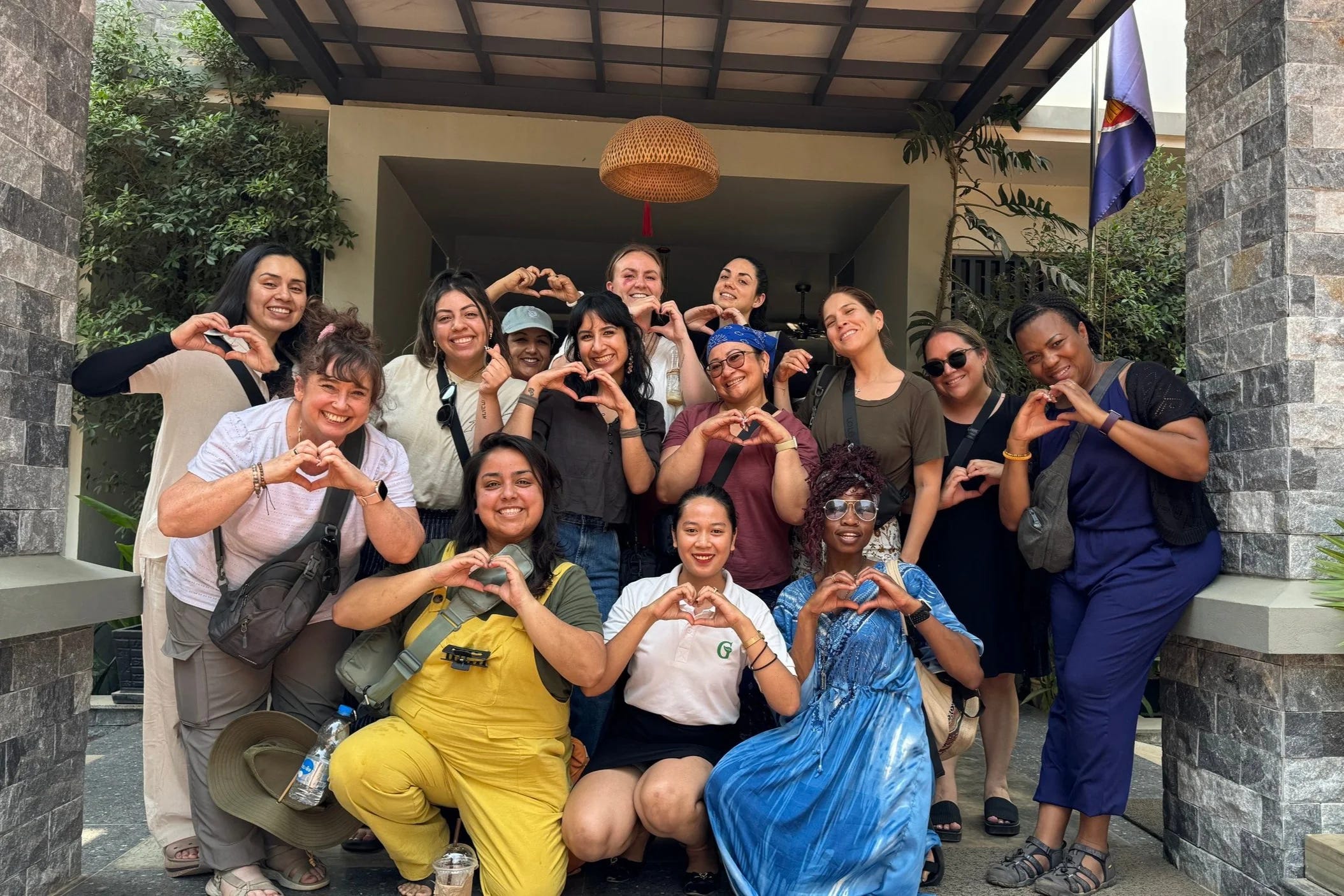
So what is cross-cultural leadership, really?
Cross-cultural leadership isn’t just about understanding another culture—it’s about letting that understanding shape how we serve, listen, and lead. It requires emotional intelligence, spiritual sensitivity, and a commitment to honor both the Gospel and the people we’ve come to serve.
This is the kind of leadership I want to grow in—the kind that yields, listens, and adds value. That strengthens the hands already building. That lifts burdens, rather than adding to them.
And the best part? Cross-cultural leadership isn’t just for the mission field.
It shapes how we lead at home: in ministry, in the workplace, in parenting, and in everyday life. It teaches us to slow down, yield to the Holy Spirit, and lead with curiosity and a teachable heart. It builds strength, fosters creativity, deepens connection, and cultivates trust. It honors people—and it honors the Lord.
Because at its core, cross-cultural leadership isn’t about logistics or language. It’s about the gospel. It’s about dying to ourselves, esteeming others as greater, and creating space for the local church to lead, disciple, and multiply in its own soil.
That kind of leadership may not always be loud, but it’s the kind that lasts.
It’s the kind that fosters trust, multiplies impact, and cultivates a healthy missiology—one that reflects the beauty of the global Church and the servant-hearted nature of Christ.
About the Author:
Bethany Moore is the Global Outreach Pastor at Rock Church in San Diego, where she teaches, leads teams, connects people across cultures, and mobilizes them to use their gifts to share the message of Jesus. Passionate about supporting visionaries and strengthening the Church, she thrives in environments that blend strategy with spontaneity. She’s energized by dry wit, learning new languages, strong coffee, and any opportunity that combines kingdom impact with a little adventure.